
Why a stone specification written for the Florida coast should not be carried into the Rocky Mountains without being challenged
Luxury development does not start from zero on every project.
The same ownership groups, architects, interior designers, and purchasing teams often move from one market to the next. A material performs beautifully—or simply looks beautiful—on one property, earns the client’s approval, and quietly reappears in the next finish schedule.
That continuity can be efficient. It can also be expensive.
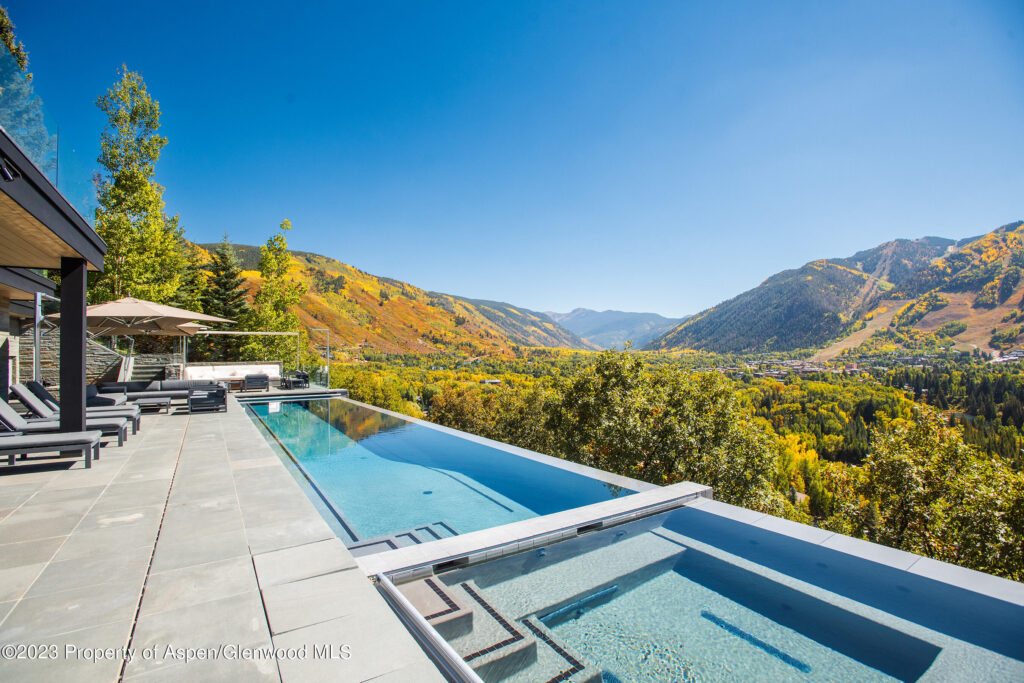
Today, many teams with experience developing on the Florida coast are active in Aspen, Vail, Telluride, Big Sky, Jackson Hole, Park City, and other high-altitude luxury markets. Branded residences, boutique resorts, private clubs, and multimillion-dollar homes are being designed for environments that bear almost no resemblance to Miami or Palm Beach.
The design language may travel.
The stone specification should not—not without being tested again.
Florida’s real lesson is not about Florida
Florida’s property market has spent the last several years confronting the long-term cost of the physical asset. Higher reserve requirements, stricter condominium underwriting, rising assessments, and escalating insurance costs have forced owners to look beyond purchase price and consider what a building will cost to maintain, repair, and eventually replace.
That is not an argument that Florida is collapsing. Recent market analysis shows that the intensity of Florida’s housing correction has been easing as inventory tightens in several of the markets that declined most sharply and pandemic-era overvaluation continues to recede.
But beneath the housing statistics is a lesson that applies far beyond Florida:
The cost of owning a building is partly determined by how its materials age—and by whether those materials can be repaired, matched, and sourced years after installation.
A finish does not disappear from the balance sheet at handover. Its consequences can return later as maintenance, reserve requirements, remediation, operational disruption, insurance exposure, or replacement cost.
In luxury property, replacement creates an additional problem. Even when a damaged stone can be replaced technically, the original quarry bench may have changed, the approved tonal range may no longer be available, and new production may not match the surrounding installation.
The stone was never merely a finish. It was a long-term asset decision.
The mountains have not received their full materials bill yet
Many of today’s mountain developments are still in design, construction, or their first operating years. The consequences of their material decisions have not fully appeared.
They will.
The danger is not simply that an unsuitable stone was selected. The deeper problem is that a material previously accepted for a coastal project may be treated as preapproved for a mountain project.
But a stone name is not a performance specification.
The same geological material can behave very differently depending on its quarry section, pore structure, mineral composition, finish, thickness, format, saturation level, installation system, maintenance protocol, and environmental exposure.
And Florida and the Rocky Mountains impose fundamentally different exposure conditions.
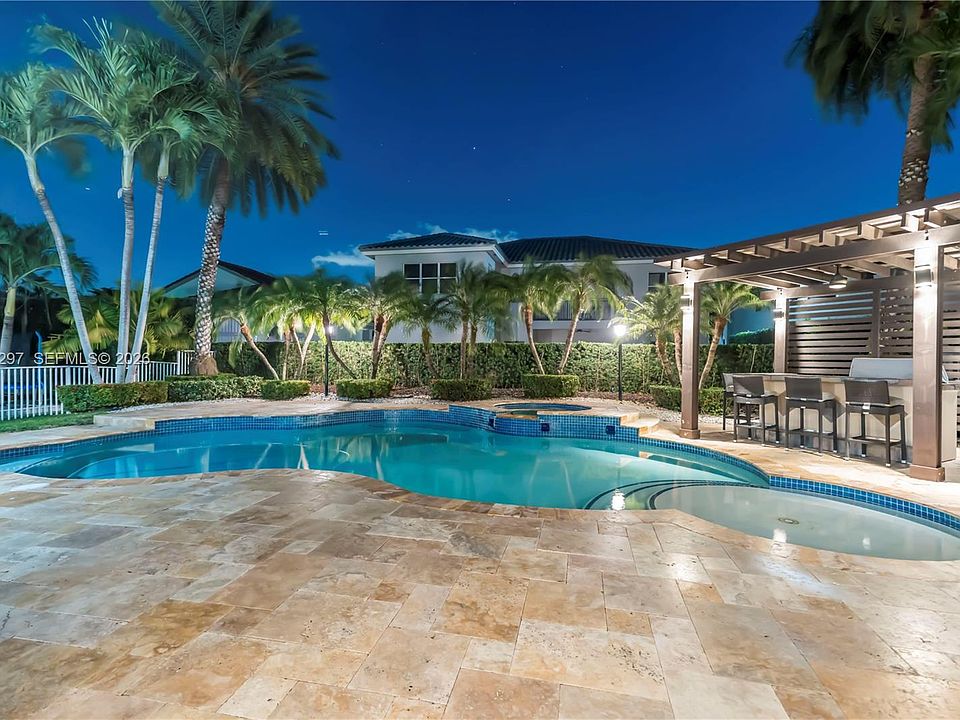
What attacks stone on the Florida coast
Coastal properties can expose stone assemblies to airborne salts, sustained humidity, wind-driven rain, intense sun, pool chemicals, and repeated wetting that may be followed by limited drying.
Depending on the material and assembly, the resulting problems may include:
- staining and discoloration;
- salt crystallization and efflorescence;
- etching and progressive surface loss;
- deterioration of sealers, resins, joint materials, and setting components;
- corrosion-related displacement in improperly detailed anchored systems;
- moisture-related bond or substrate failures.
- The deterioration is often progressive. The surface loses its original appearance, maintenance becomes more frequent, and isolated repairs become increasingly difficult to match.
What attacks stone in the mountains
At elevation, the dominant risks change.
Water entering the pore structure may repeatedly freeze and thaw. When the stone reaches a critical level of saturation, that cycling can create internal stress and progressive deterioration.
Deicing chemicals introduce additional exposure. Chlorides and other treatments can be carried into pores and joints, contributing to salt crystallization, surface degradation, and freeze-thaw damage—particularly in porous stone or assemblies that remain wet.
Heated exterior paving introduces another layer of complexity. A snowmelt system changes the thermal and moisture behavior of the entire assembly. If the stone, thickness, format, setting system, drainage, waterproofing, movement joints, and heating strategy are not designed together, the result can be cracking, loss of bond, spalling, or delamination.
High-altitude solar exposure also affects more than the stone itself. Sealers, resin treatments, adhesives, joint materials, and certain factory-applied finishes may age differently under stronger radiation and snow reflection.
In the wrong assembly, visible deterioration can begin within the first few winters—long before ownership expects to discuss replacement.
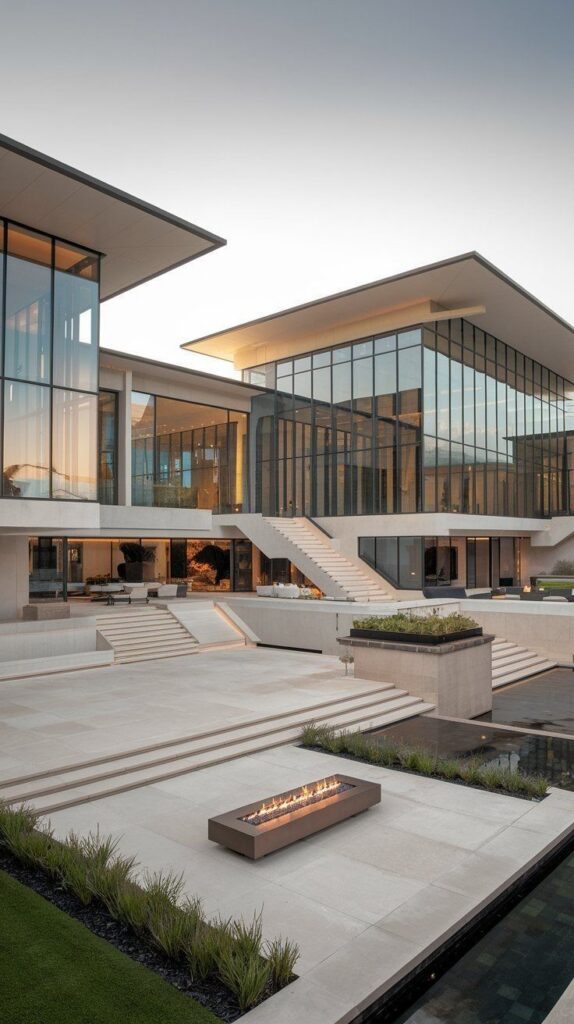
Same marble. Different failure.
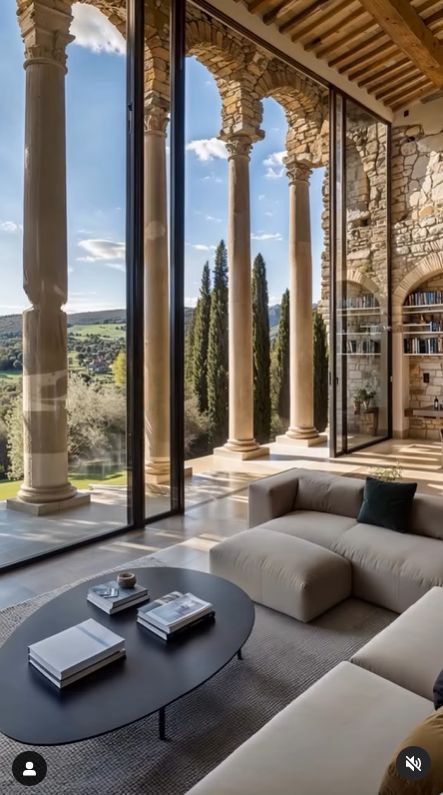
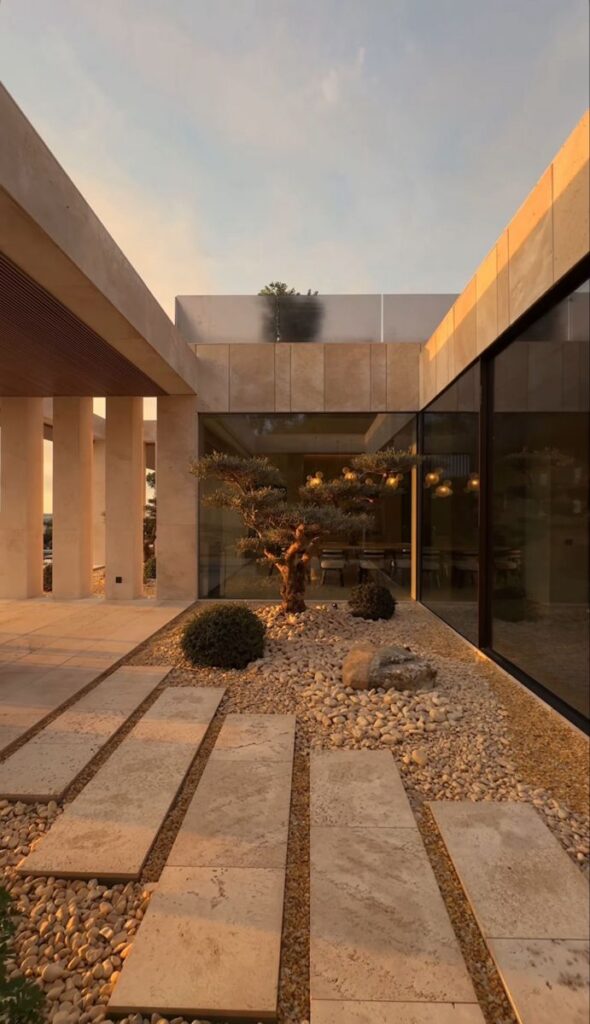
Consider a polished marble selected for exterior paving.
On a coastal terrace, the immediate concern may be appearance and maintenance: etching, staining, loss of polish, slipperiness, and accelerated weathering.
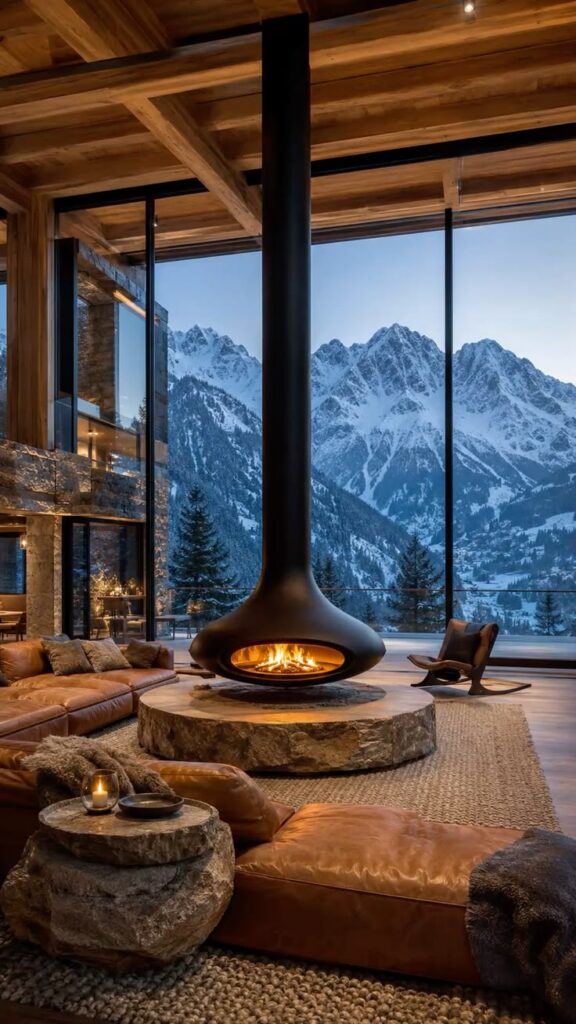
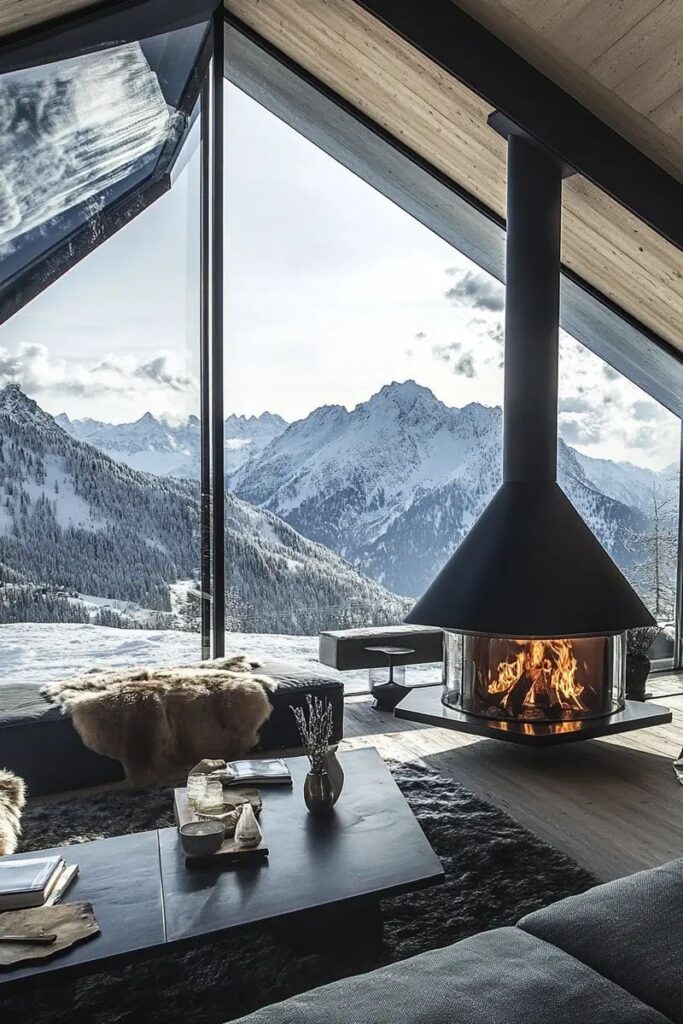
At a mountain entrance, the same choice may create a different level of exposure: water saturation, freeze-thaw cycling, deicing chemicals, snow-removal equipment, heated paving, and difficult winter access for repairs.
The material may be identical. The risk is not.
And if units begin failing several years later, replacement may not be a matter of ordering more material. The original quarry bench may be exhausted or producing a different visual range. The block may be available but not in the required size. The finish may have changed. The minimum production quantity may exceed the repair requirement. Mountain access and installation conditions may restrict when the work can be performed.
One damaged area can therefore force a much larger visual replacement.
What began as a material issue becomes a procurement, design, logistics, operational, and capital problem at the same time.
No stone performs independently of its assembly
It is easy to blame the stone after failure. It is also usually incomplete.
Exterior performance depends on the entire system:
- the stone’s physical and mineralogical properties;
- the quarry section and production consistency;
- thickness, panel or paver dimensions, and edge geometry;
- surface finish and any factory-applied treatment;
- anchors, mortar, adhesive, grout, and joint materials;
- substrate, waterproofing, drainage, and movement accommodation;
- exposure, snow-removal practices, cleaning chemicals, and deicing policy;
- installation quality and long-term maintenance.
A strong stone installed in the wrong assembly can fail. A technically acceptable material can become risky when its size, finish, detailing, or maintenance regime changes.
That is why approving a stone from a showroom sample—or from its successful use on a previous project—is not enough.
I do not begin with the question, “Is it beautiful?”
In luxury development, beauty is the entry requirement. It is not the analysis.
Before a material is approved, I want to know:
- What are its water absorption, density, and flexural-strength results?
- Are those results representative of current quarry production?
- How does the material perform after relevant exposure or freeze-thaw testing?
- Is the proposed finish appropriate for the location and maintenance regime?
- What deicing, cleaning, snow-removal, and sealing products will touch it?
- Does the setting or anchoring system match the stone, format, substrate, and environment?
- Has the material been installed successfully at comparable elevation and exposure—and can that installation be inspected?
- Can one visually consistent production range be secured across every project phase?
- What replacement stock should be reserved before the quarry moves into a different section?
- If the original selection becomes unavailable, is there a technically and visually defensible alternative?
I do not accept a data sheet merely because it contains test results. I evaluate whether those results are relevant to the proposed application, exposure, thickness, finish, format, and installation system.
That distinction is where many expensive problems begin—or are prevented.

The specification must be challenged before it becomes a purchase order
Traditional material sales and independent buyer-side advisory serve different functions.
A supplier is generally responsible for quoting and delivering the specified material. My responsibility is to challenge the specification itself before the project becomes financially committed to it.
Twenty-three years of work across more than forty countries has taught me one principle above all others:
Stone does not fail on its own. Decisions do.
Environmental suitability is only one category of risk. Quantity continuity, quarry capacity, block availability, fabrication yield, lead time, visual control, replacement stock, logistics, and defensible substitutions can be equally consequential.
Every one of those risks is cheaper to resolve while the project still exists on paper.
Where I come in
I am an independent, buyer-side stone advisor. I work for the project—not for a warehouse—and I am most valuable before the specification is locked.
My Pre-Procurement Stone Audit reviews the finish schedule and stone package zone by zone. The audit examines:
- suitability for the actual environment and application;
- technical-data and testing gaps;
- quantity exposure across phases;
- quarry availability and production continuity;
- lead-time, fabrication, and logistics risk;
- budget vulnerability;
- replacement and attic-stock strategy;
- technically and visually defensible alternatives where required.
The project receives a written risk report, prioritized recommendations, and an executive review call.
If your project is entering design development, preconstruction, or bidding, send me the finish schedule and current stone specification for a confidential initial review.
If the documents are not ready, send the project location, application zones, and material shortlist.
The objective is simple: identify the risks while they are still lines on paper—not damaged stone on a completed property.
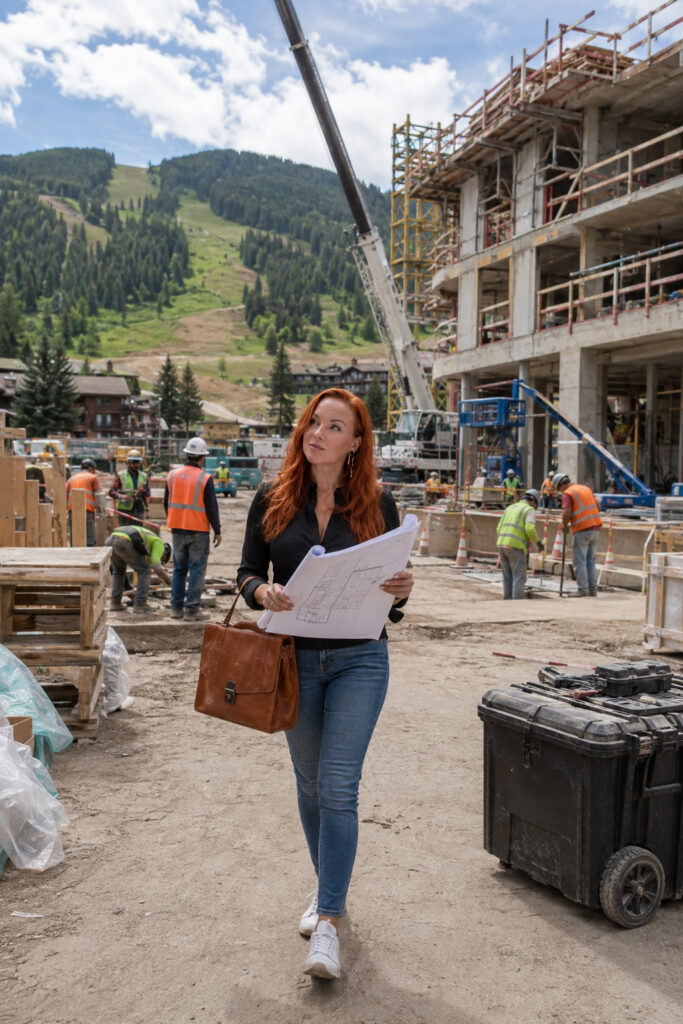


Olga Rakhmatulina
Luxury Stone Procurement & Risk Strategy
23 years · 40+ countries · Direct quarry access · Independent, buyer-side
Official U.S. Market Representative — Taj Mahal Quartzite
+1 443.973.1946
olga@olgamarble.com
olgamarble.com
I work with projects worldwide. Every inquiry is handled personally and confidentially.